
Most interesting

Feeling like your marriage is slipping through your fingers can be heartbreaking. Sleepless nights, constant worry, and replaying every argument in your head can leave you drained and anxious. You might be asking yourself: “Are we just going through a rough patch… or is this the end?” This signs your marriage is over quiz is here to help you find out.
Many people in unhappy marriages feel stuck, lonely, and unsure whether the problems are temporary or signs of something deeper. It’s easy to ignore the warning signs your wife is cheating or signs your husband is cheating until the cracks start to feel like chasms. Knowing the difference now can save you years of heartache.
This quiz isn’t about blame or judgment. It’s a tool to help you see your relationship clearly, spot recurring patterns in communication, emotional closeness, and shared goals, and figure out whether the marriage can be repaired or if it’s time to walk away.
Understanding Marriage Problems: When Is It Time to Take This Quiz?
Even the strongest marriages can hit moments where everything feels heavy, confusing, or distant. You might catch yourself thinking: “Are we just going through a rough patch… or is this something deeper?” Recognizing the signs marriage is over early can save years of heartbreak.
Ask yourself:
- Do conversations feel empty, like you’re just talking for the sake of talking?
- Has intimacy faded or become rare, leaving you feeling alone even when you’re together?
- Does your spouse seem emotionally distant, preoccupied, or secretive?
- Are arguments repeating over and over, with no resolution in sight?
- Do you find yourself imagining a life without them because it feels emotionally safer?
A marriage problems quiz helps step back and look objectively, without relying only on gut feelings. Patterns like repeated conflict, emotional withdrawal, trust issues in relationships, or subtle manipulation, including gaslighting in relationships, may indicate serious problems. Reflecting now isn’t about blame – it’s about seeing reality clearly so you can decide your next steps.
Using a signs your marriage is over quiz can help you separate temporary stress or life pressures from patterns that signal serious issues.
The Marriage Health Quiz: 20 Critical Questions
Answer the following 20 A/B/C multiple-choice questions honestly. There are no right or wrong answers. Just answer this marriage problems quiz honestly.
1. When you think about your future, do you:
- A. Never include your spouse in those plans, and you often envision life without them.
- B. Feel uncertain about including them, and you’re unsure where they fit in your vision.
- C. Naturally envision them by your side, and they’re a key part of your future.
2. How often do you feel emotionally connected to your spouse?
- A. Rarely or never, and you often feel distant or disconnected.
- B. Sometimes, but not consistently, and your connection can be hit or miss.
- C. Most of the time, you generally feel close and understood.
3. How do you handle conflicts?
- A. Avoid or escalate them frequently, and conflicts often go unresolved.
- B. Sometimes handle them calmly, sometimes poorly, and it varies depending on the situation.
- C. Usually, you resolve them through discussion, and you find solutions together.
4. How often do you feel appreciated in your marriage?
- A. Rarely, and you often feel taken for granted.
- B. Occasionally, you receive appreciation now and then.
- C. Regularly, you feel valued and acknowledged.
5. How important is intimacy in your relationship currently?
- A. It feels almost nonexistent, and you rarely experience closeness.
- B. It’s inconsistent or awkward, and intimacy is hit or miss.
- C. It’s a healthy, regular part of your relationship, and you feel connected.
6. How often do you argue over recurring issues?
- A. Constantly, the same issues keep resurfacing.
- B. Sometimes, these arguments occur, but not all the time.
- C. Rarely, and you don’t frequently revisit the same conflicts.
7. When you think about your spouse’s happiness, do you feel:
- A. Uncertain or disconnected, and you’re unsure of their joy.
- B. Occasionally aligned, and you sometimes feel in sync.
- C. Closely connected, and you genuinely care about their happiness.
8. How often do you feel lonely even when your spouse is present?
- A. Most of the time, you often feel isolated.
- B. Sometimes, loneliness can creep in occasionally.
- C. Rarely, and you mostly feel connected and supported.
9. Do you share major decisions?
- A. Rarely or not at all, and decisions are often made independently.
- B. Sometimes, you occasionally collaborate on important choices.
- C. Always, and you make major decisions as a team.
10. How often do you feel misunderstood or unheard?
- A. Almost always, and you frequently feel ignored.
- B. Sometimes there are moments of misunderstanding.
- C. Rarely, and you generally feel understood and listened to.
11. Do you feel you can trust your spouse fully?
- A. Not at all, and trust is a significant concern.
- B. Sometimes, trust fluctuates depending on the situation.
- C. Completely, and you have a strong sense of trust.
12. How often do you feel love or affection from your spouse?
- A. Rarely, affection is infrequent.
- B. Occasionally, you receive love and affection now and then.
- C. Often, affection is a regular part of your relationship.
13. How often do you fantasize about life without your spouse?
- A. Frequently, you often imagine being apart.
- B. Occasionally, thoughts of separation cross your mind occasionally.
- C. Rarely or never, and you generally envision life together.
14. How frequently do you discuss your feelings honestly?
- A. Rarely or never, and open communication is scarce.
- B. Sometimes, you have honest discussions, but not consistently.
- C. Regularly, you often share your feelings openly.
15. When conflicts arise, do you feel they are resolved fairly?
- A. Rarely do conflicts end in a fair resolution.
- B. Sometimes, and fair resolutions happen occasionally.
- C. Usually, conflicts tend to be resolved fairly.
16. How often do you feel your spouse supports your goals?
- A. Rarely, and support is infrequent.
- B. Occasionally, you receive encouragement now and then.
- C. Frequently, you feel consistently supported.
17. How often do you think about the possibility of ending your marriage?
- A. Frequently, thoughts of separation are common.
- B. Sometimes, you occasionally consider the idea.
- C. Rarely, and ending the marriage crosses your mind.
18. Do you feel heard and respected during disagreements?
- A. Rarely or never, and you often feel dismissed.
- B. Occasionally, you’re sometimes heard and respected.
- C. Most of the time, you generally feel valued and understood.
19. How often do you experience warmth or physical connection?
- A. Rarely, physical connection is infrequent.
- B. Sometimes, warmth is present but not consistent.
- C. Frequently, you feel a strong, regular connection.
20. Do you feel hopeful about the future of your marriage?
- A. Not at all, and you feel pessimistic about what’s ahead.
- B. Uncertain, and your outlook is mixed or unsure.
- C. Yes, and you feel optimistic about the future.
Your Marriage Problems Quiz Results: What They Mean
Answering honestly to each of the questions in this signs your marriage is over quiz will help you see signs that marriage is over versus temporary struggles.
Mostly A’s – Critical Warning: When to End a Marriage
If most of your answers were A’s, it’s a serious red flag. Your relationship is showing multiple warning signs that things may have reached a breaking point. Emotional distance, constant arguing, lack of intimacy, and recurring doubts aren’t just temporary problems. There are signals that your marriage could be irreparable.
Living like this is exhausting. And you may ask yourself: when to end a marriage? If you feel one or a few from the list below, it is time to think seriously:
- Drained from constant conflict
- Lonely even when your spouse is present
- Anxious or on edge about every interaction
- Doubting your own worth or sanity
At this stage, you need careful evaluation, not impulsive decisions. Confrontation in physical or emotional affairs isn’t about yelling, blaming, or proving who’s right. It’s about clarity and truth. Some options include:
- Calmly discuss your feelings, patterns, and fears. Listen as well as speak.
- If infidelity is suspected, check questions to ask your unfaithful spouse or review ways to catch a cheating husband/how to catch a cheating wife.
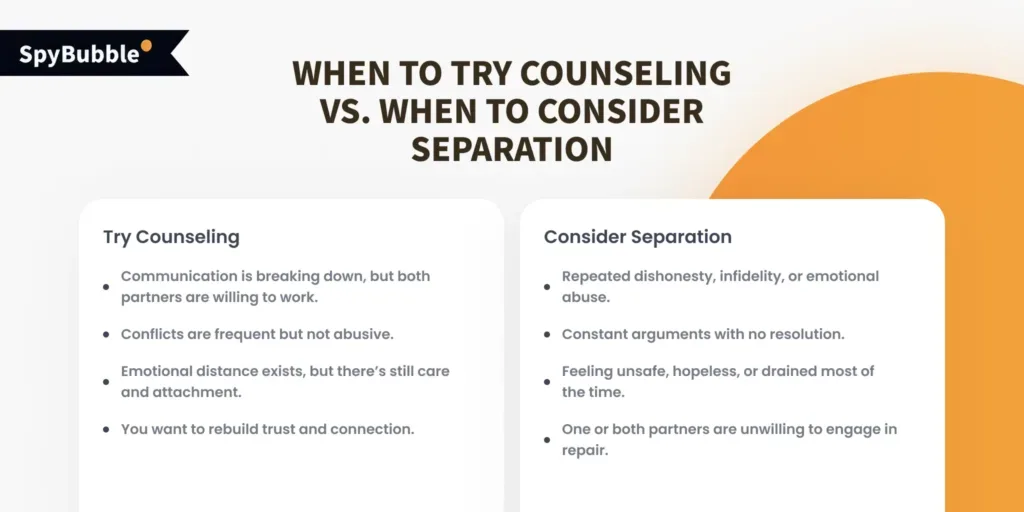
- Marriage counseling or personal therapy can help you see things clearly, plan next steps, and safeguard your well-being.
Knowing the facts before major decisions gives you control, confidence, and emotional protection.
Mostly B’s – Struggling Marriage: It’s Not Too Late
If most of your answers in this signs your marriage is over quiz were B’s, your marriage is showing serious challenges, but it’s not beyond repair. You may notice signs of a loveless marriage, emotional distance, or repeated arguments that sound insincere.
Pay attention to patterns over time. Are conflicts recurring or just occasional? Has intimacy faded temporarily or become a constant absence? Honest communication is key – share how you feel without blame and listen openly.
Important: Don’t ignore your gut feelings. Small red flags can snowball into bigger problems if left unchecked. Document patterns, notice recurring behaviors, and be honest with yourself about what truly hurts or worries you.
Mostly C’s – Healthy Foundation: You’re Going Through a Rough Patch
C’s in your signs your marriage is over quiz indicate your marriage is generally stable. Disagreements, stress, and temporary emotional distance are normal in any long-term partnership. Even in a healthy marriage, life pressures can make you feel disconnected.
Focus on improving communication, prioritizing emotional connection, and practicing empathy. Openly sharing small concerns early prevents them from escalating. Your marriage has a solid foundation; these struggles are likely temporary rather than signs that your marriage is ending.
Signs Marriage Is Over vs. Just Going Through Hard Times
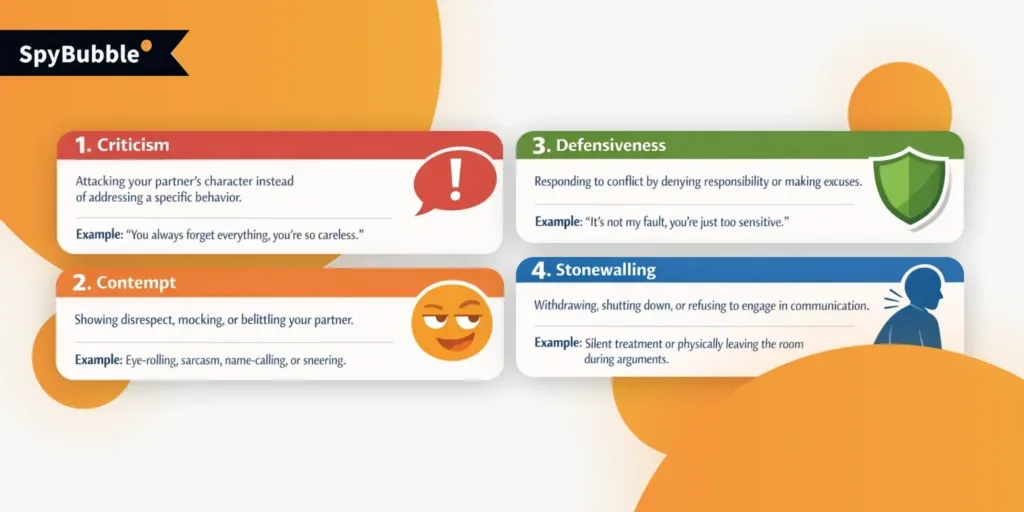
Not every fight or distant moment means your marriage is ending. Stress, life changes, or temporary pressures can make even strong couples feel disconnected. But there are key differences between a rough patch and a marriage that may be over:
Signs marriage is over:
- Persistent emotional distance. You feel like roommates rather than partners.
- Constant arguments with no resolution.
- Lack of intimacy for months or years.
- Feeling hopeless or emotionally unsafe.
- Avoiding your spouse emotionally or mentally preparing for life without them.
- No effort from your partner to reconnect or communicate.
Signs you’re just going through tough times:
- Conflicts are situational and tied to stress, work, or life events.
- Intimacy is temporarily affected but not completely gone.
- You still enjoy moments together and can laugh or talk openly.
- Your partner responds when you express feelings.
- The relationship has highs and lows, but the overall connection remains.
Ask yourself: Are these patterns hanging around for months, or are they short-term reactions? Are you feeling frustrated in the moment, or is there a constant sense of dread? Paying attention to these differences can help you decide your next step wisely.
What to Do If Your Marriage Might Be Over
Feeling like your marriage is crumbling can be overwhelming. Sleepless nights, replaying conversations, and constant anxiety can leave you drained. But taking clear, deliberate steps now can protect your emotional well-being and help you make informed decisions.
Here’s what to do:
- Pay attention to patterns, not isolated events. One missed date, a harsh word, or a tense moment doesn’t mean your marriage is over. Look for repeated behaviors like emotional withdrawal, lying, or secrecy.
- Document what you notice. Keep a private record of concerning behaviors, late-night messages, secret calls, or unexplained absences. Writing things down helps you spot patterns and protects you from relying only on gut feelings.
- Communicate carefully. Approach your partner calmly, focusing on your feelings (“I feel hurt when…”) rather than accusations. Avoid confrontations that escalate into fights. How does your partner respond? Openly or defensively? It can tell you a lot about the state of your marriage.
- Verify suspicions before acting. If infidelity is suspected, don’t jump to conclusions. Tools like SpyBubble allow you to check text messages, call logs, social media, and location patterns discreetly. Knowing the facts prevents decisions based on fear or assumptions.
- Seek professional support. A qualified counselor or therapist can help you process emotions, clarify patterns, and guide you toward healthy choices, whether rebuilding trust or planning a separation.
- Protect your emotional and financial well-being. If you decide to separate, having documented facts and a clear understanding of the situation can safeguard your safety, finances, and mental health.
SpyBubble: Get Answers When Trust Has Been Broken
Suspecting your spouse might be cheating is painful. The constant worry, replaying conversations, and feeling like something is being hidden can take a huge toll on your peace of mind. Before making any big decisions, whether to try to fix your marriage or walk away, it’s important to have clear, reliable information.

SpyBubble can help. It’s a discreet tool that lets you check facts without relying only on assumptions or gut feelings.
Here’s how it can help you:
- Check for cheating signs: Track messages, calls, and hidden apps to see if your spouse is being dishonest. Facts replace doubt and guesswork.
- Keep track of concerning behavior: Late nights, sudden changes in routine, or repeated secrecy can be logged clearly, giving you a bigger picture.
- Protect yourself during separation: If you need space, SpyBubble keeps you informed so you can make safe and confident decisions.
- Get clarity before confronting: Knowing the truth first makes conversations calmer, safer, and less emotional.

Get Clarity on Trust Issues with SpyBubble
Before making any big decisions, whether to try to fix your marriage or walk away, it’s important to have clear, reliable information.
Using SpyBubble isn’t about spying to hurt someone. It’s about finding the truth and taking control of your life. Whether you decide to rebuild trust, seek counseling, or move on, having facts gives you confidence and peace of mind.
Conclusion
Every marriage is different, and there’s no shame in facing the truth about yours. Whether your “signs your marriage is over” quiz results show serious issues or just a hard life period, being honest with yourself is the most important.
Tools like SpyBubble can help you a lot, whether you decide to rebuild trust or move on safely.
Listen to your instincts, take care of your emotional well-being, and remember: knowing what’s really going on in your marriage is not wrong. It’s necessary.
Take control of your marriage’s future with clarity and confidence.

New posts


Most interesting
Leave a reply